What is the best month to go to Whistler?
Whistler’s best month depends entirely on intended activities. Each season offers distinct advantages. Understanding seasonal patterns helps planning.
Winter Skiing Months
January brings the deepest snowpack. Accumulation peaks mid-winter. Base depths often exceed three meters. Coastal storms arrive frequently. Powder days happen weekly. Temperatures stay moderate. Daylight hours remain limited. Lifts open at 8:30 AM. Operations close at 3:00 PM.
February balances snow and sun. Storms still deliver powder. Clear days increase noticeably. Temperatures warm slightly. Spring-like conditions begin appearing. The month stays busy consistently. Presidents Day weekend draws crowds. Advance bookings prove essential.
March delivers prime spring skiing. Longer days extend sessions. Sunshine becomes more reliable. Morning snow stays firm. Afternoons offer corn snow. Temperatures range from freezing to mild. Patios fill with skiers. The season enters peak form. Advanced terrain opens fully. Glaciers become accessible.
April provides value skiing. Crowds thin considerably. Prices drop significantly. Snow conditions vary daily. Warm weather arrives unpredictably. Some runs close gradually. Upper mountain terrain excels. Blackcomb’s glacier stays consistent. Free skiing events happen. Music festivals begin.
Summer Mountain Activities
June marks transition period. Ski season ends early month. Mountain biking ramps up gradually. Hiking trails remain snow-covered. Village stays relatively quiet. Prices hit annual lows. Construction projects begin. Some restaurants close temporarily. Weather proves unpredictable. Rain happens frequently.
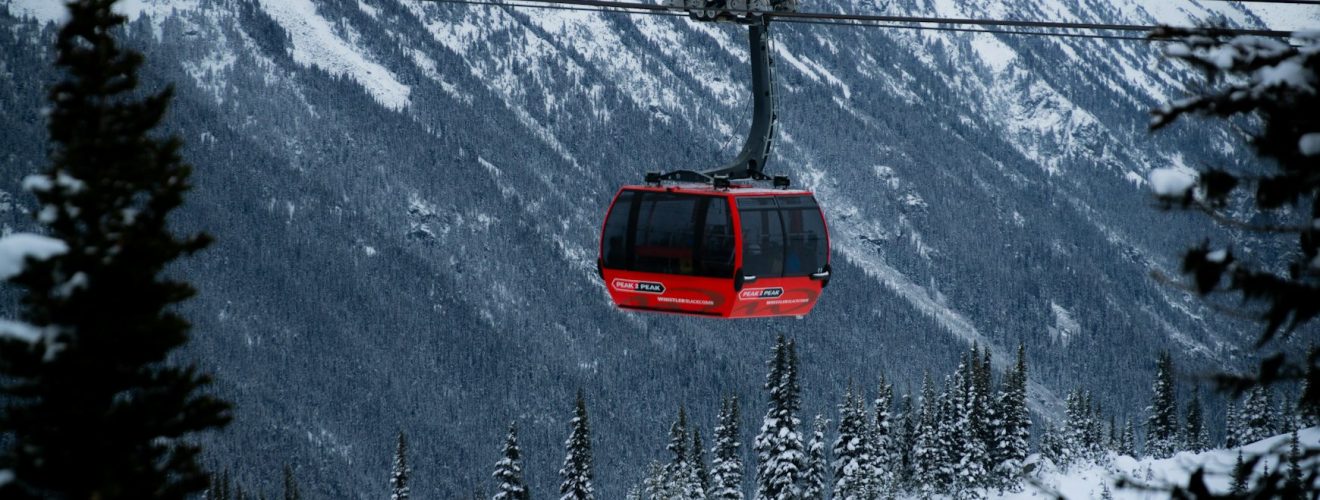
July showcases summer potential. Mountain bike park operates fully. All trails open and maintained. Hiking conditions peak perfectly. Wild flowers bloom extensively. Lakes warm for swimming. The Peak 2 Peak runs daily. Golf courses play excellently. Weather stabilizes nicely. Temperatures reach pleasant levels. Crowds build steadily throughout month.
August continues summer excellence. Kids remain out of school. Family travel peaks. All activities operate fully. Weather stays most reliable. Temperatures hit yearly highs. Lakes reach warmest temperatures. Trails dry out completely. Mountain biking conditions excel. Hiking remains comfortable. Crowds increase significantly. Advance bookings become crucial.
Shoulder Season Advantages
September offers hidden value. Summer activities continue. Weather stays surprisingly good. Crowds disappear dramatically. Prices drop substantially. Hotels offer deep discounts. Restaurants take reservations easily. Hiking remains excellent. Fall colors begin appearing. Mountain biking stays prime. Lifts close for maintenance. The village feels peaceful. Local residents reclaim spaces.
October brings fall beauty. Larch trees turn golden. Hiking reaches perfection. Cool temperatures refresh. Crowds stay minimal. Prices remain low. Many businesses close temporarily. The village prepares for winter. Preview skiing sometimes happens. Early snowstorms dust peaks. Mountain biking season ends. Peace and quiet dominate.
November starts winter operations. Opening day varies yearly. Early season conditions build. Prices stay reasonable. Crowds remain manageable. Terrain opens gradually. Upper mountain requires time. Lower runs operate first. Thanksgiving week gets busy. Otherwise, skiing stays uncrowded. Equipment deals appear. Pass sales peak.