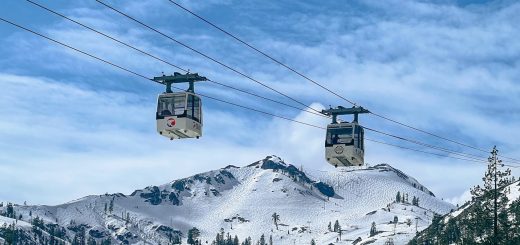
Which is nicer, Aspen or Vail?
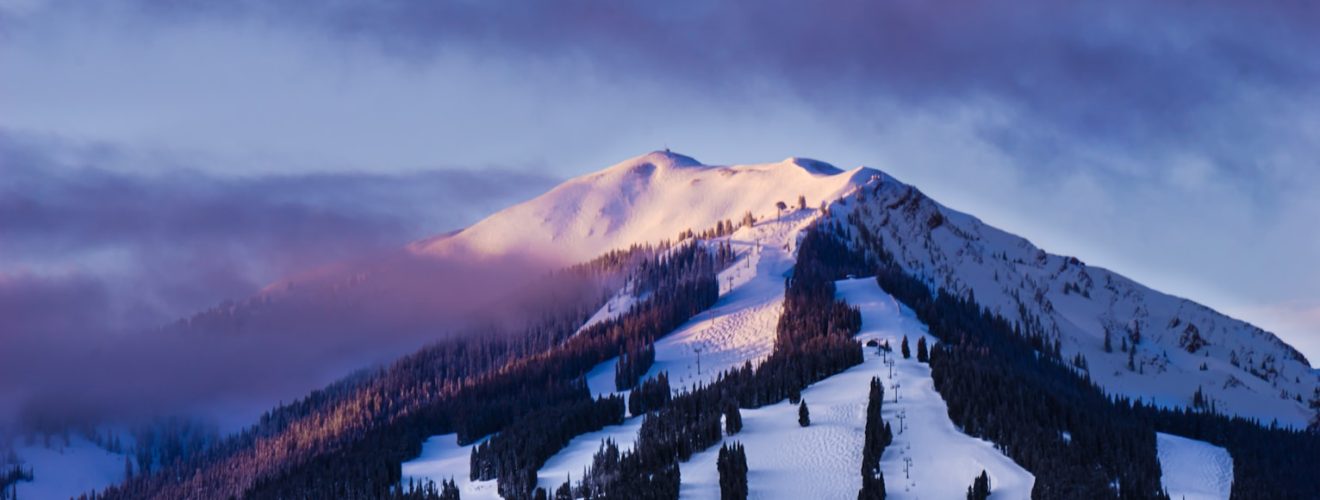
Choosing between Vail and Aspen is a classic Colorado dilemma. Both resorts represent the pinnacle of North American skiing. They offer world-class terrain, luxury lodging, and vibrant dining scenes. But “nicer” depends entirely on the traveler. The two destinations offer fundamentally different experiences. Vail is a massive, purpose-built resort village, while Aspen is a smaller, historic mountain town. The right choice comes down to priorities: convenience and scale, or history and exclusivity.
The Vibe: Purpose-Built Resort vs. Authentic Town
Vail and Aspen have distinct personalities. Vail was founded in 1962 by 10th Mountain Division veterans. They meticulously designed it to be the ultimate ski resort, modeled after a European alpine village. The result is a sprawling, pedestrian-friendly “snow globe” with heated cobblestone streets. It is incredibly convenient and centered entirely around skiing. Because it was built for this purpose, some find it lacks the historic soul of a “real” town. It is, however, perfectly executed for a ski vacation. Its location directly on Interstate 70 also makes it highly accessible from Denver, just a two-hour drive in good weather.
Aspen, by contrast, is a historic 19th-century silver mining town. It has a deeply rooted, authentic character that exists independently of the ski resorts. The Victorian architecture, world-class art galleries, and high-end boutiques feel more integrated into a year-round community. This history gives Aspen a reputation for exclusivity and a more remote, “off-the-path” feel. It is a four-hour drive from Denver, which naturally limits crowds. The vibe is less about a singular focus on the resort and more about being in a chic, historic, and undeniably luxurious mountain town. Both are “nice,” but one is a perfectly planned resort, and the other is a historic town with a resort attached.
The Skiing: One Behemoth vs. Four Mountains
The mountain experience is the biggest differentiator. Vail is one single, massive, and interconnected mountain. At 5,317 acres, it is one of the largest resorts in North America. Its defining feature is the Legendary Back Bowls, a 3,000-acre expanse of open, intermediate-to-expert powder fields. For skiers who love vast, open terrain and the ability to ski all day without repeating a run, Vail is unmatched. The entire resort is connected by 32 lifts, allowing you to traverse for miles across groomers, bowls, and glades, all under one lift ticket.
Aspen’s skiing is divided among four separate, non-connected mountains. A single lift ticket grants access to all four: Aspen Mountain (Ajax), Aspen Highlands, Buttermilk, and the massive Snowmass. Skiers must take a free shuttle to move between them. This separation creates four distinct ski experiences. Ajax rises directly from downtown, offering steep, challenging runs. Highlands is famous for the expert terrain of Highland Bowl. Buttermilk is a perfect mountain for beginners and families. Snowmass is the largest of the four, a sprawling resort in its own right with exceptional intermediate terrain. This variety is a huge strength, but it requires more planning than Vail’s unified layout.
The Verdict: Accessibility vs. Exclusivity
Ultimately, the decision rests on personal preference. Vail is generally more popular and can feel more crowded, but it is also larger and easier to reach. Its purpose-built village is the peak of convenience, with everything you need just steps from the lifts. It is a bustling, vibrant, and sprawling resort experience.
Aspen is quieter, more exclusive, and more historic. The four mountains disperse crowds effectively, and the town itself feels more authentic. It is harder to get to and generally more expensive for lodging and food, but that is part of its appeal. If “nicer” means a historic, exclusive town with varied, uncrowded skiing, choose Aspen. If “nicer” means a massive, interconnected mountain with ultimate convenience and a bustling, European-style village, choose Vail.